Rock formations, particularly those seen in landscapes such as the Grand Canyon, represent the visible imprint of time, pressure, and natural transformation. Shaped through erosion and geological layering, rock embodies permanence and change simultaneously — revealing how scale, texture, and stratification narrate the passage of time within a physical form. These formations offer a powerful reference for understanding depth, mass, and spatial hierarchy in the built environment.
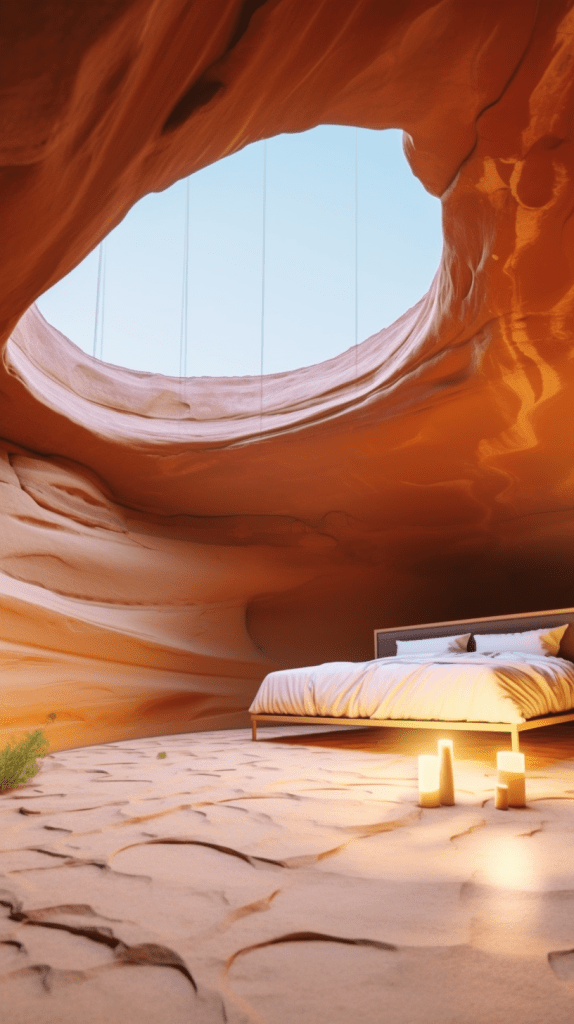
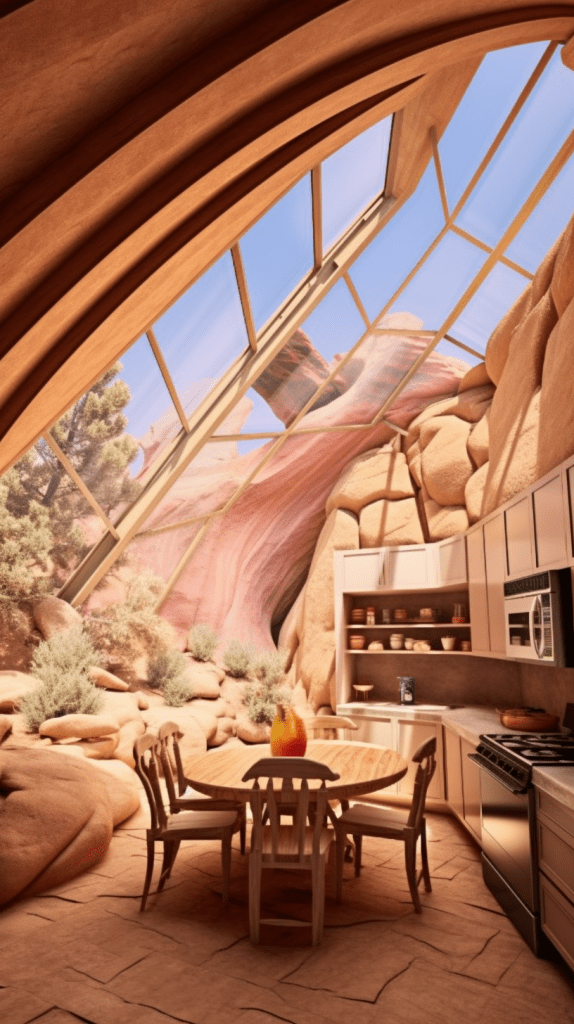
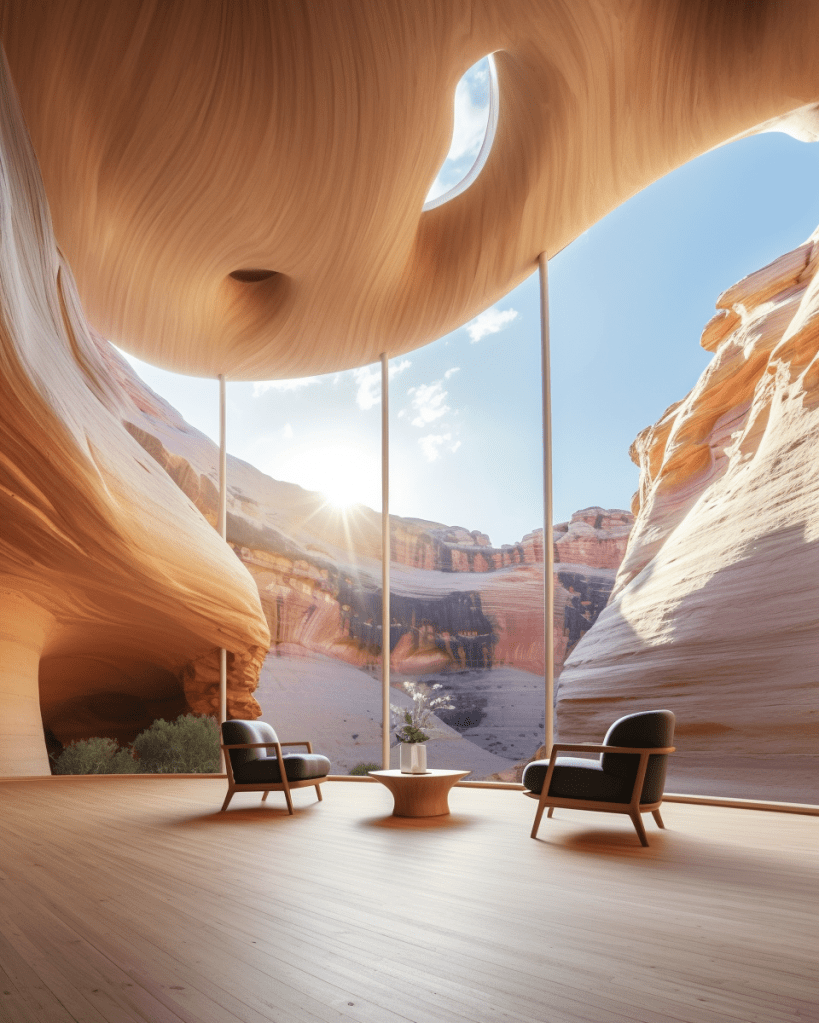
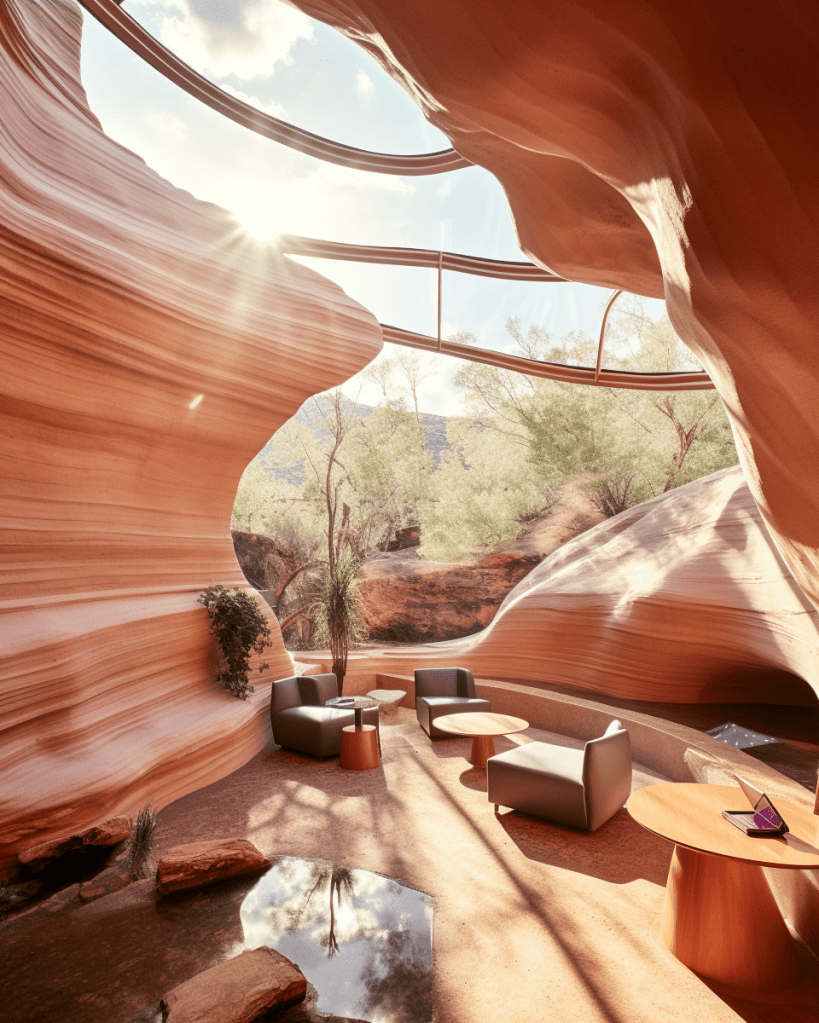
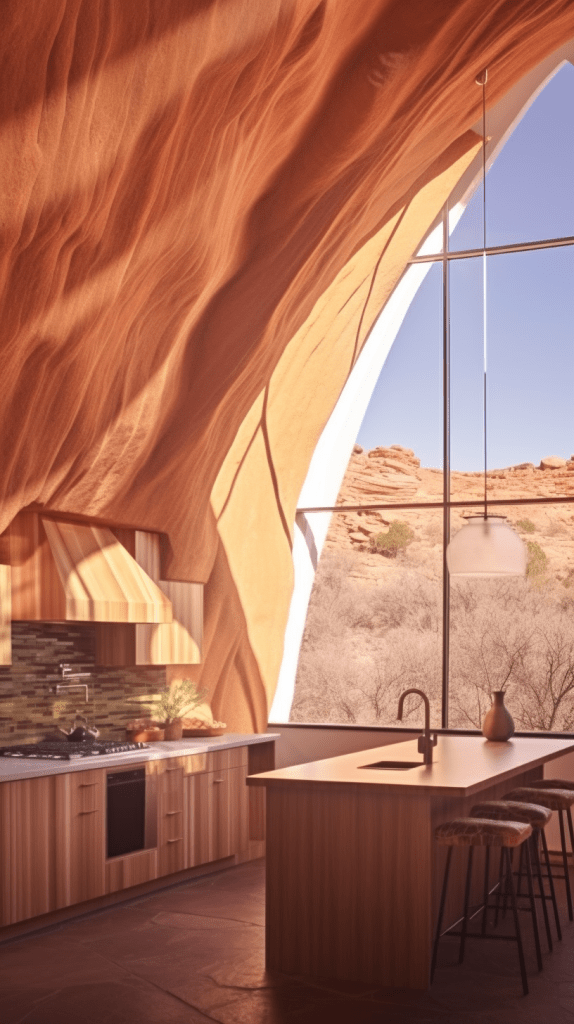
Inspired by these qualities, the spatial explorations translate geological principles into interior atmospheres. Layering, carved voids, tonal gradients, and tactile surfaces are studied as spatial tools to evoke weight, grounding, and quiet monumentality. Rather than replicating natural forms, the explorations reinterpret rock as an abstract language — using materiality and proportion to create spaces that feel anchored, timeless, and emotionally grounded.
 Abeer Fatima