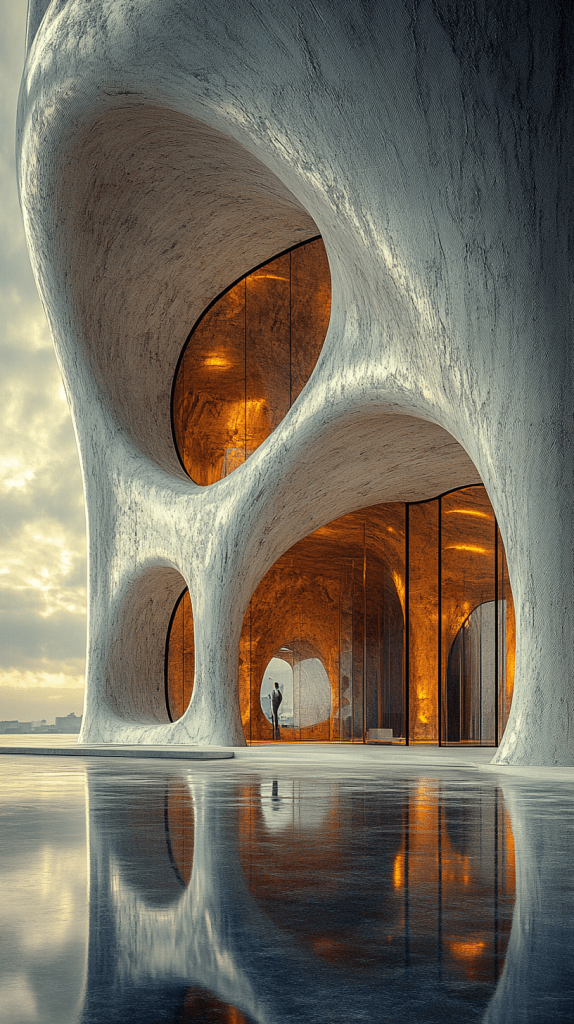
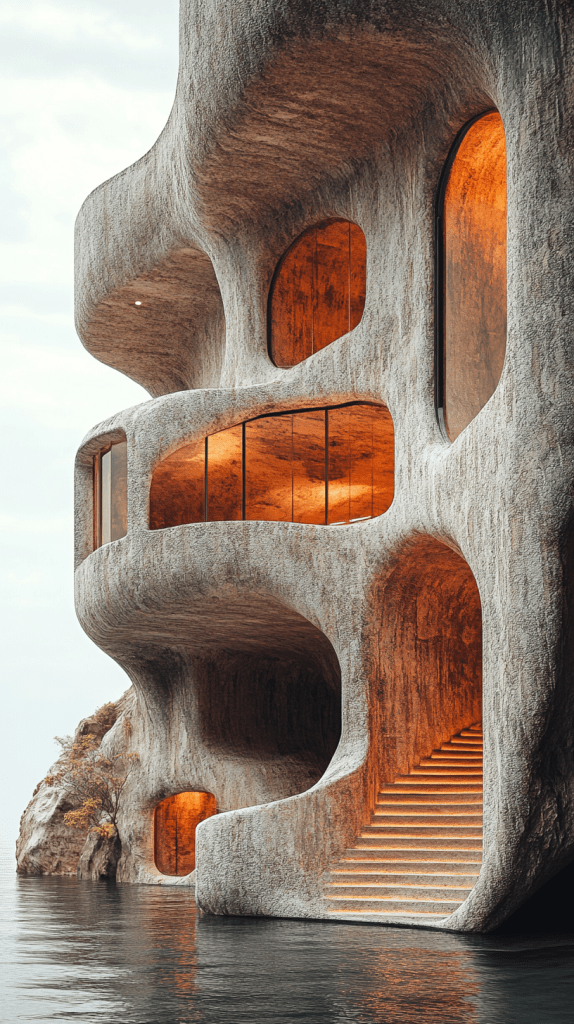
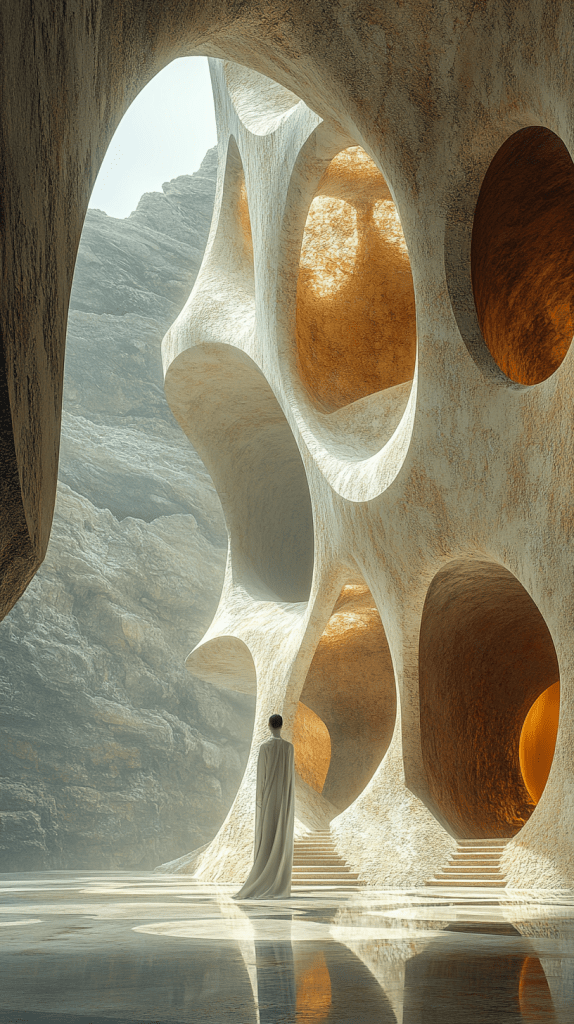
Concrete is a material defined by paradox — simultaneously raw and refined, heavy yet capable of fluid expression. Often associated with permanence, structure, and urban landscapes, concrete carries traces of process through its texture, joints, and imperfections. Its ability to shift between mass and minimalism makes it a powerful medium for exploring honesty, repetition, and restraint in spatial design.
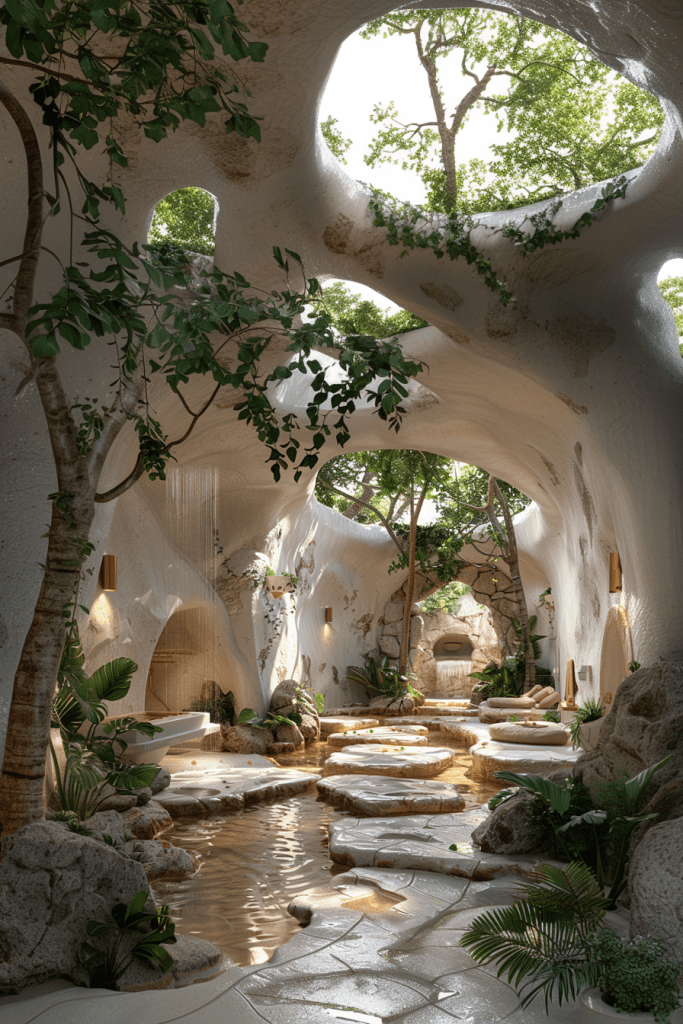
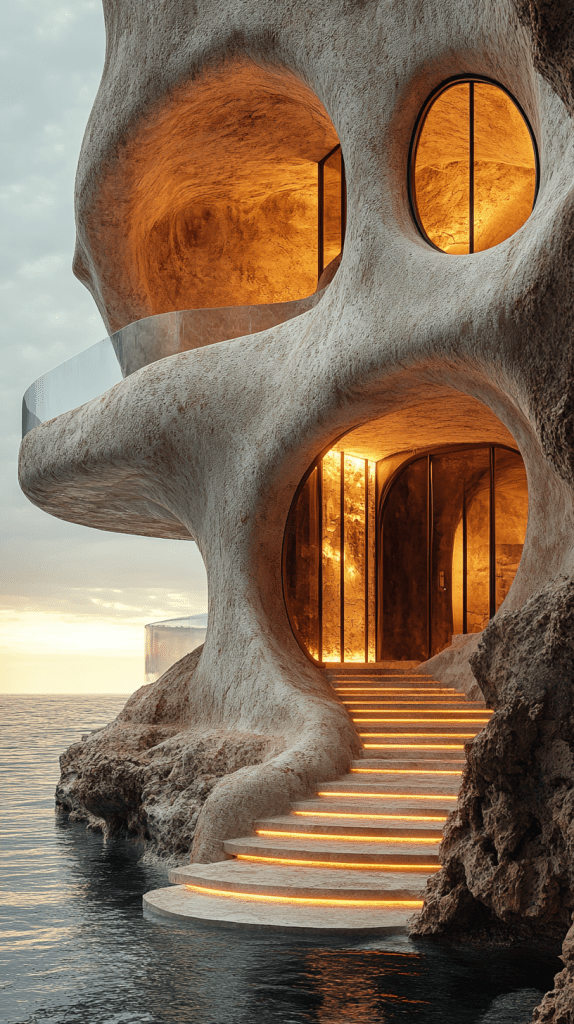
Drawing from these characteristics, the spatial explorations investigate concrete as both structure and atmosphere. Through studies of light interaction, surface variation, and rhythmic form, the explorations examine how solidity can coexist with softness and how weight can be balanced with openness. The resulting spaces emphasize clarity, calm, and material truth, using concrete as a quiet but commanding spatial language.
 Abeer Fatima